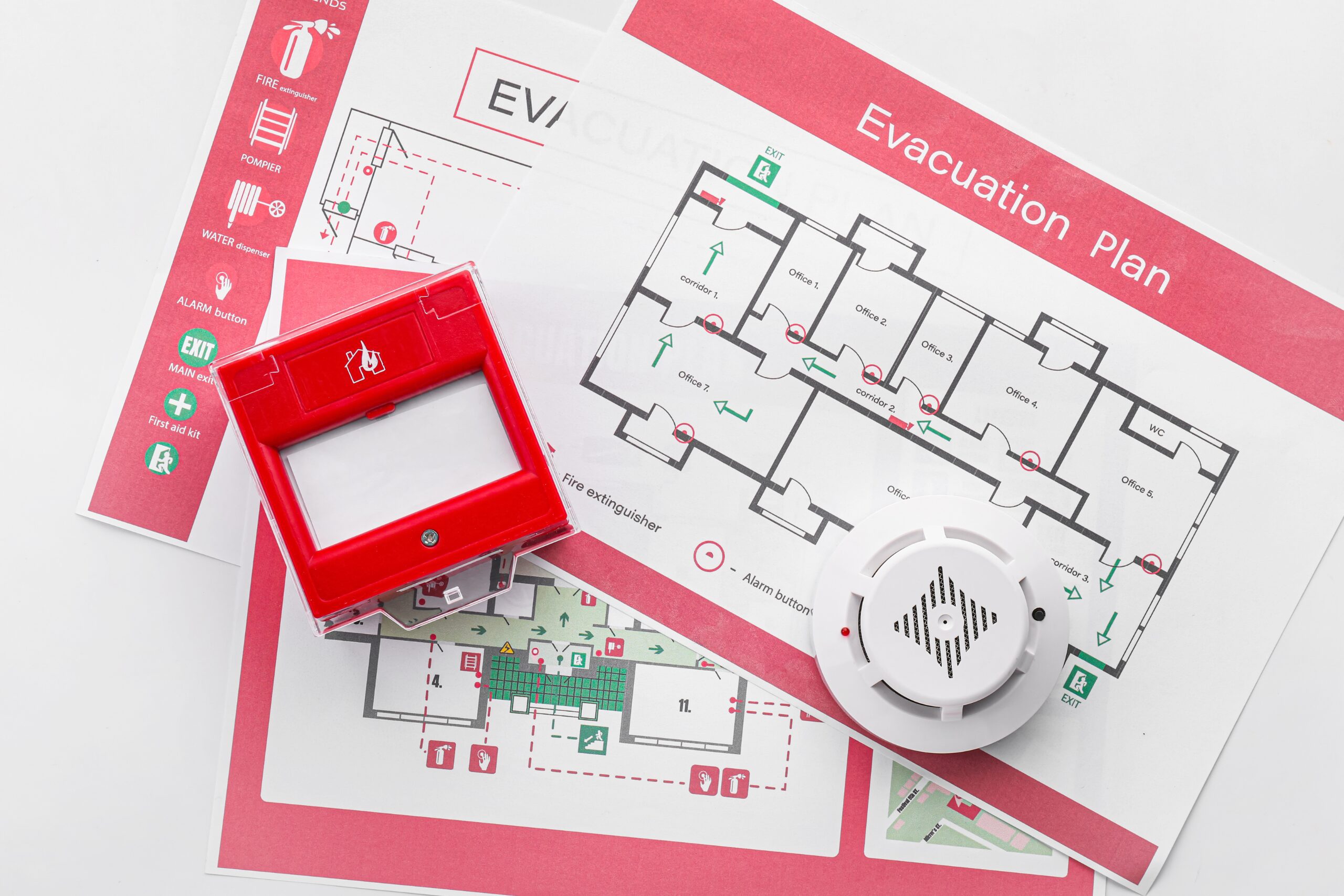
Annual Fire Safety Statement inspections are a critical part of maintaining compliance for commercial property owners, strata managers, and building managers across New South Wales. An annual fire safety statement inspection ensures that all essential fire safety measures within a building are functioning correctly, have been properly maintained, and continue to meet the performance standards required under NSW legislation.
Understanding what happens during an annual fire safety statement inspection can help property owners prepare for the process, avoid compliance issues, and ensure the ongoing safety of occupants and visitors. By identifying any deficiencies in fire safety systems before certification is due, building owners can address potential issues promptly and maintain compliance with their legal obligations.
What Is an Annual Fire Safety Statement (AFSS)?
An Annual Fire Safety Statement (AFSS) is a legal document required for many buildings throughout NSW. The statement confirms that all essential fire safety measures within a building have been assessed by an accredited practitioner and found to be operating to the required standard.
Essential fire safety measures may include:
- Fire alarm systems
- Fire extinguishers
- Smoke detection systems
- Emergency lighting
- Exit signs
- Fire doors
- Sprinkler systems
- Fire hydrants
- Mechanical smoke control systems
Building owners are responsible for ensuring inspections are completed annually and that the statement is submitted to the relevant authorities within the required timeframe.
What Inspectors Check During an Annual Fire Safety Statement Inspection
During an Annual Fire Safety inspection, qualified technicians assess all nominated fire safety measures listed within the building’s fire safety schedule.
Fire Detection and Alarm Systems
Inspectors test fire alarm systems to ensure they activate correctly and communicate with monitoring systems where applicable.
Checks may include:
- Smoke detector operation
- Heat detector functionality
- Alarm panel testing
- System communication testing
Emergency and Exit Lighting
Emergency lighting and illuminated exit signs are essential during emergencies.
Inspectors assess:
- Battery backup operation
- Illumination levels
- Sign visibility
- General functionality
Fire Extinguishers and Fire Equipment
Portable fire protection equipment is checked for:
- Correct placement
- Accessibility
- Pressure levels
- Maintenance compliance
- Expiry dates
Fire Doors and Exit Paths
Fire doors and evacuation routes play a critical role during emergencies.
Inspectors assess:
- Door operation
- Self-closing mechanisms
- Fire door seals
- Obstructions along exit routes
- Compliance with evacuation requirements
Fire Hydrants and Hose Reels
Water-based fire protection systems are inspected to ensure they remain operational and compliant.
These systems are tested according to relevant Australian Standards and maintenance schedules.
Common Compliance Issues Found During Inspections
Many buildings experience avoidable compliance problems during inspections.
Some of the most common issues include:
Faulty Emergency Lighting
Battery failures and damaged fittings can prevent emergency lighting from functioning during power outages.
Damaged Fire Doors
Fire doors that fail to close properly or have damaged seals may not perform as required during a fire.
Expired Fire Extinguishers
Extinguishers that have not been serviced according to maintenance schedules may fail compliance checks.
Obstructed Exit Routes
Storage items, furniture, or equipment blocking emergency exits are frequent compliance concerns.
Outdated Fire Safety Documentation
Missing records or incomplete maintenance documentation can delay AFSS certification.
Identifying and addressing these issues early helps streamline the inspection process and reduce the risk of non-compliance.
How to Prepare for an Annual Fire Safety Inspection
Proper preparation can make an Annual Fire Safety inspection more efficient and help avoid unnecessary delays.
Ensure Access to All Areas
Inspectors require access to fire safety equipment throughout the building.
This may include:
- Plant rooms
- Roof spaces
- Electrical rooms
- Common areas
- Tenancy spaces
Review Maintenance Records
Ensure all servicing records are up to date and readily available for review.
Check Emergency Exits
Confirm that all evacuation routes remain clear and unobstructed.
Inspect Visible Equipment
Look for obvious signs of damage or faults involving:
- Exit signs
- Emergency lights
- Fire extinguishers
- Fire doors
Addressing minor issues before the inspection can help avoid larger compliance concerns later.
Why Annual Fire Safety Compliance Matters
An Annual Fire Safety inspection is not simply a regulatory obligation. It helps ensure that critical fire protection systems will operate effectively if an emergency occurs.
Benefits include:
- Improved occupant safety
- Reduced legal risks
- Enhanced property protection
- Compliance with NSW regulations
- Greater confidence for tenants and stakeholders
Regular inspections also provide an opportunity to identify system deficiencies before they become serious safety concerns.
Trust FCF Fire & Electrical – Sydney
At FCF Fire & Electrical – Sydney, we provide comprehensive fire safety inspections, testing, maintenance, and compliance services for commercial, industrial, and residential buildings throughout Sydney and surrounding areas.
Our experienced team can assist with Annual Fire Safety Statements, essential fire safety measures, ongoing maintenance programs, and compliance advice tailored to your property’s requirements.
To arrange an inspection or discuss your compliance obligations, visit our Contact Us page and speak with our friendly team today.
Frequently Asked Questions
What is an Annual Fire Safety Statement?
An Annual Fire Safety Statement is a document confirming that a building’s essential fire safety measures have been assessed and found to be operating to the required standard.
Who is responsible for obtaining an AFSS?
The building owner is responsible for ensuring inspections are completed and the Annual Fire Safety Statement is submitted as required.
How often is an Annual Fire Safety inspection required?
Most applicable buildings in NSW require an Annual Fire Safety inspection and statement every year.
What happens if a building fails an inspection?
Any non-compliant fire safety measures must generally be rectified before certification can be issued.
Can I prepare my building before the inspection?
Yes. Reviewing maintenance records, ensuring access to equipment, clearing exits, and addressing obvious faults can help the inspection process run smoothly.
Final Thoughts
An Annual Fire Safety inspection is a critical component of building compliance and occupant protection throughout NSW. By understanding what inspectors assess, addressing common compliance issues, and preparing in advance, building owners can help ensure a smoother certification process and maintain safer premises.
Partnering with experienced fire safety professionals like FCF Fire & Electrical – Sydney can provide peace of mind that your building remains compliant, protected, and prepared for emergencies.